Last updated: August 2026
📌 Key Points
- The short answer: Modern lithium home batteries last 10 to 15 years, and often keep working beyond that at reduced capacity.
- Chemistry decides the range: Lithium iron phosphate (LFP) is today’s residential standard. Lead-acid lasts 5 to 7 years in budget and off-grid setups, and long-lived flow batteries are commercial-scale products, not home options.
- Warranties back it up: Tesla covers the Powerwall for 10 years with guaranteed capacity retention, and Enphase covers the IQ Battery 5P for 15 years or 6,000 cycles.
- Heat and hard cycling age batteries fastest: Florida heat, deep daily discharge, and undersized systems all shorten lifespan. Placement and right-sizing protect it.
- End of warranty is not end of battery: Batteries fade gradually, losing a small percentage of capacity each year, rather than failing on a date.
- You can extend it: Shaded installation, sensible sizing, and keeping the system’s connected monitoring active all add years of useful life.
Modern home solar batteries really last 10 to 15 years, and the best now carry warranties guaranteeing exactly that. The days of replacing batteries every few years belong to older chemistry. If you’re weighing a solar power system, the battery’s lifespan shapes the long-term economics as much as the panels do, so here is how long each type actually lasts, what the warranties promise, and the practical steps that stretch your battery’s useful life.
What Does a Solar Battery Actually Do?
Your panels generate; your battery stores. During the day, most solar homes produce more electricity than they use in the moment. Without a battery, that surplus flows to the grid, earning net metering credit. With a solar battery backup, you keep that energy onsite instead, powering your home at night, during peak rate hours, and through outages. The battery itself contains no solar cells; it is a storage bank, charged by your panels and managed by software that decides when to charge and discharge. For a full walkthrough of the mechanics, see our guide to how home batteries work.
How Long Do Solar Batteries Last by Type?
Chemistry is the biggest single variable. Here is how the three main types compare and where each actually fits today.
| Battery Type | Typical Lifespan | Where It Fits Today |
|---|---|---|
| Lithium-ion (LFP) | 10 to 15+ years | The standard for home solar storage. Tesla Powerwall and Enphase batteries both use lithium iron phosphate for its safety and long cycle life. |
| Lead-acid | 5 to 7 years | Budget and off-grid installations. Proven and affordable, but shorter-lived and maintenance-heavy. |
| Flow | 20 to 30 years | Commercial and utility-scale storage. Impressive longevity, but not a practical residential product. |
For a Florida homeowner choosing a battery in 2026, the realistic decision is between quality lithium systems, which is why the 10 to 15 year figure is the one that matters.
What Do Battery Warranties Actually Guarantee?
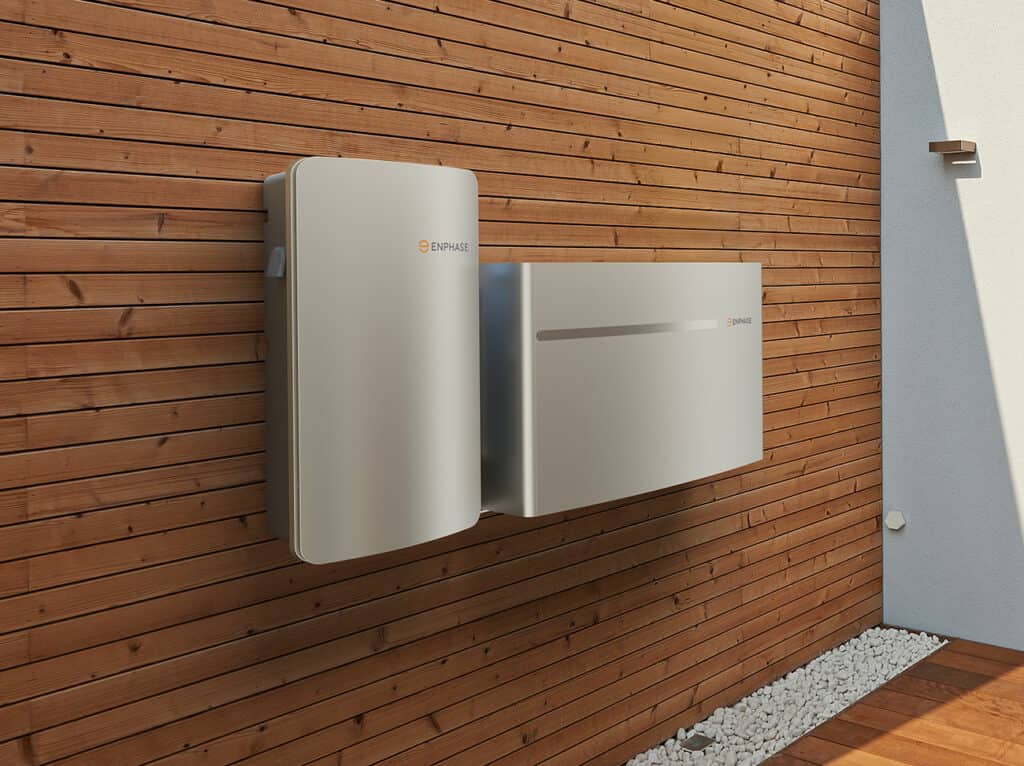
The two leading home batteries now put lifespan in writing. Tesla backs the Powerwall with a 10 year warranty that guarantees defined capacity retention and covers unlimited cycles under normal use. Enphase goes further on duration, covering the IQ Battery 5P with a 15 year warranty or 6,000 discharge cycles, whichever comes first, currently the longest standard coverage on the residential market.
Just as important: the warranty date is not an expiration date. Lithium batteries fade gradually, typically losing a small percentage of capacity each year, so a battery at year 12 still stores and delivers energy, just less of it than the day it was installed. Many systems keep contributing well past their coverage period.
What Factors Affect a Solar Battery’s Lifespan?
Four things determine where your battery lands in its range.
- Temperature: Heat is the big one in Florida. Sustained high temperatures accelerate chemical aging inside any battery. Modern home batteries include thermal management to fight this, but installation location still matters, which is why installers favor a garage wall or shaded exterior placement over direct afternoon sun.
- Cycling and depth of discharge: How often the battery cycles, and how deeply, drives wear. A battery reserved mainly for backup power will outlast one cycled hard every day. Modern lithium systems manage discharge limits automatically through their battery management software, so unlike the lead-acid era, this is handled for you; your usage mode is what you control.
- Maintenance and monitoring: Today’s lithium batteries are essentially maintenance-free, but they are not attention-free. Keeping the system’s internet connection and firmware updates active matters; Tesla, for example, ties full warranty coverage to the Powerwall staying connected. Lead-acid batteries are a different story, requiring electrolyte top-ups, terminal cleaning, and regular inspection.
- Chemistry and build quality: As the table above shows, the type of battery sets the ceiling. Within lithium, LFP chemistry earns its place in home storage specifically for its long cycle life and thermal stability.
How Can You Extend Your Solar Battery’s Lifespan?
A handful of practical choices add years of useful life:
- Install it out of the sun. A garage or shaded wall keeps operating temperatures down, the single easiest longevity win in Florida.
- Size the system honestly. An undersized battery gets hammered with deep daily cycles. Sizing to your real usage keeps each cycle shallower and the battery healthier.
- Keep it connected. Firmware updates and remote monitoring catch issues early and, for some brands, are a warranty condition.
- Use the right operating mode. If backup protection is your priority, a higher backup reserve means fewer deep cycles. If daily savings are the goal, the system will cycle more, and that tradeoff is worth making deliberately with your installer.
- Get it inspected on schedule. Periodic professional checks of connections, mounting, and performance keep small issues from becoming capacity killers.
Choosing the Right Solar Battery for Your Florida Home
Lifespan is ultimately a design decision: the right chemistry, the right size, the right placement, and the right settings for how you live. SunVena installs the industry’s leading battery systems and will help you match the battery, warranty, and configuration to your home’s actual usage. Call or contact us today.