Updated: November 2026
TECO Electric Utility Overview
Tampa Electric (TECO) serves as the primary electric utility for the Tampa Bay area, providing power to more than 840,000 customers across Hillsborough County and portions of Polk, Pasco, and Pinellas counties. As a key energy provider on Florida’s west coast, TECO plays an influential role in setting regional energy policies and delivering electricity to homes and businesses in one of the state’s fastest-growing metro areas.
TECO’s Service Area: Key Cities and Counties Served
Tampa Electric serves about 2,000 square miles in West Central Florida. Its territory covers all of Hillsborough County and parts of Polk, Pasco, and Pinellas counties.

- Hillsborough County: Tampa, Plant City, Temple Terrace, Brandon, Riverview, Valrico, Seffner, Apollo Beach, Ruskin, Sun City Center.
- Polk County: Winter Haven, Auburndale, Mulberry, Lake Wales, and parts of Lakeland.
- Pasco County: Dade City, San Antonio, and parts of Wesley Chapel and Zephyrhills.
- Pinellas County: Primarily serves the Oldsmar area.
Current Average Tampa Electric Bills
The most current data reported by the Florida Municipal Electric Association (FMEA) show that TECO’s average residential power bills by usage, as of September 2026, are:
| Monthly Usage | Average Bill | Estimated Sq. Ft. | Home Type |
|---|---|---|---|
| 1,000 kWh | $161.67 | 900 to 1,400 | Apt / Condo / Small House |
| 1,200 kWh | $195.38 | 1,500 to 2,200 | Standard 3/2 House |
| 2,500 kWh | $414.52 | 3,000+ | Large Estate / Luxury Home |
| Note: FMEA September 2026 figures, including FMEA’s 6% franchise fee. Estimates assume standard insulation and AC use. Homes with pools, older AC units, or EVs typically have higher bills relative to their square footage. | |||
How Much Have TECO Electric Bills Increased?
For Tampa Electric (TECO) customers, the mid-2020s have brought a dramatic shift in energy costs. After years of relative stability, homeowners have faced a “double whammy” of TECO base rate hikes and massive storm surcharges. The most critical update: TECO bills hit a record $182.82 a month (1,000 kWh) from January through July 2026, which was 81% higher than in December 2020. The storm surcharge ended in August 2026, and the typical bill dropped to $161.67. That is still about 60% higher than in December 2020. In June 2025, TECO customers’ average bill of $242.05 was the highest among Florida’s major utilities and the second-highest in the country, according to EIA data reported by WUSF.
Past & Future TECO Rate Increases
Below is the timeline of TECO’s rate changes from 2020 through 2026, plus what we know about 2027 and beyond, to help you understand the long-term trend of your electric bill.
Historical Tampa Electric bill data based on average monthly bill for 1,000 kWh usage reported by FMEA.
| Year | Approx. Bill | Primary Driver of Cost |
|---|---|---|
| 2020 | ~$94 | Low natural gas prices. A fuel charge cut lowered bills to $81.46 from May through September. |
| 2021 | ~$114 | Fuel costs climbed, pushing bills to $122.03 by August. |
| 2022 | ~$134 | Rate hike plus higher fuel costs. |
| 2023 | ~$150 | Rate hike, peak fuel costs, and a Hurricane Ian storm surcharge. Bills hit $166.53 in April. |
| 2024 | ~$134 | Temporary relief. Bills fell to $114.95 from January through April as fuel costs dropped. |
| 2025 (Jan) | ~$150 | Rate hike took effect. |
| 2025 (Mar) | ~$172 | Storm surcharge added for the 2024 hurricanes. |
| 2025 (Jun) | ~$174 | Fuel charge rose about 7%. |
| 2026 (Jan) | ~$183 | Rate hike plus a fuel increase created record-high bills. |
| 2026 (Aug) | ~$162 | Storm surcharge ended one month early. |
2020-2021: The “Old Normal”
In 2020, the global energy demand crash, fueled by COVID-19, led to historically low natural gas prices, which were passed to customers. A typical TECO household using 1,000 kWh a month paid about $94 a month on average in 2020, and as little as $81.46 from May through September, when the fuel charge was cut. Bills began climbing in 2021, reaching $108.78 in January and $122.03 in August as fuel costs rose. In 2020, Florida’s residential electricity price was well below the U.S. average (11.27¢ vs. 13.15¢ per kWh), but because Floridians use more power, the average Florida bill ($128.64) was higher than the national average ($117.46), according to EIA data. Low natural gas prices and a lack of major storm recovery fees characterized this period.
2022-2024: Volatility Hits & The Crisis Begins
The stability ended in 2021, and 2022 brought bigger increases. Global natural gas prices spiked, forcing TECO to pass fuel costs on to customers.
- 2022 Rate Hike #1: The first phase of the 2021 Rate Settlement Agreement took effect, raising base rates by $191 million.
- 2023 Rate Hike #2: The second phase of the 2021 Rate Settlement Agreement took effect, raising base rates by another $90 million.
- 2023 Fuel & Storm Surcharges: Bills peaked at $166.53 in April 2023, when TECO began a storm surcharge to recover about $131 million in Hurricane Ian and Nicole costs. Bills then settled at $147.37 for the rest of the year as the utility also recovered high fuel costs.
- 2024 Rate Hike #3: The final step of the 2021 settlement, a $21 million base rate increase, took effect in January 2024.
- 2024: Bills temporarily dropped to $114.95 from January through April as fuel costs fell, then rose to $148.28 in May and June and $141.01 for the rest of the year. TECO also filed a request for higher base rates to fund infrastructure upgrades.
2025: The Year of the “Double Hike”
2025 was a painful year for Tampa area budgets due to two distinct increases colliding:
- January 2025 (Base Rate Hike): Public Service Commission (PSC) regulators approved a $184.9 million base rate increase to fund grid improvements, pushing the typical 1,000 kWh bill to $150.46.
- March 2025 (Storm Surcharge): Following Hurricanes Debby, Helene, and Milton, TECO began charging a storm surcharge, spread over 18 months, to recover more than $400 million in restoration costs. This added approximately $20 per month to a 1,000 kWh household bill.
- June 2025 (Fuel Increase): The fuel charge rose about 7%, lifting the typical 1,000 kWh bill to $173.64.
2026: Record-High Electric Bills, Then Relief

Tampa Electric customers started 2026 with record-high bills, 81% higher than in December 2020.
- January 2026: A scheduled base rate increase and higher fuel costs pushed the typical 1,000 kWh bill to $182.82, the highest in FMEA’s monthly reports going back to 2019.
- August 2026: The storm surcharge from the 2024 hurricanes ended one month early, cutting about $20 from a 1,000 kWh bill. The typical bill fell to $161.67.
Beyond 2026: What We Know (and Don’t) About Future TECO Electricity Rates
Under the PSC’s December 2024 rate decision, TECO has approved base rate increases through 2027:
- An $86.6 million increase that took effect in January 2026,
- A $9.1 million increase scheduled for January 2027.
However, detailed typical-bill projections beyond late 2026 (now that the storm surcharge has ended) are less concrete and will depend on:
- Future fuel filings (if natural gas prices rise or fall)
- New storm events and related recovery requests
- Any additional base-rate cases TECO brings to the PSC
We can say with confidence that bills have risen sharply since 2020. The exact trajectory for 2027 and beyond will hinge on future PSC decisions and hurricane seasons.
Solar: Opting Out of Inflation
The timeline above shows that while fuel prices may dip, “base rates” and storm charges keep pushing the floor higher.
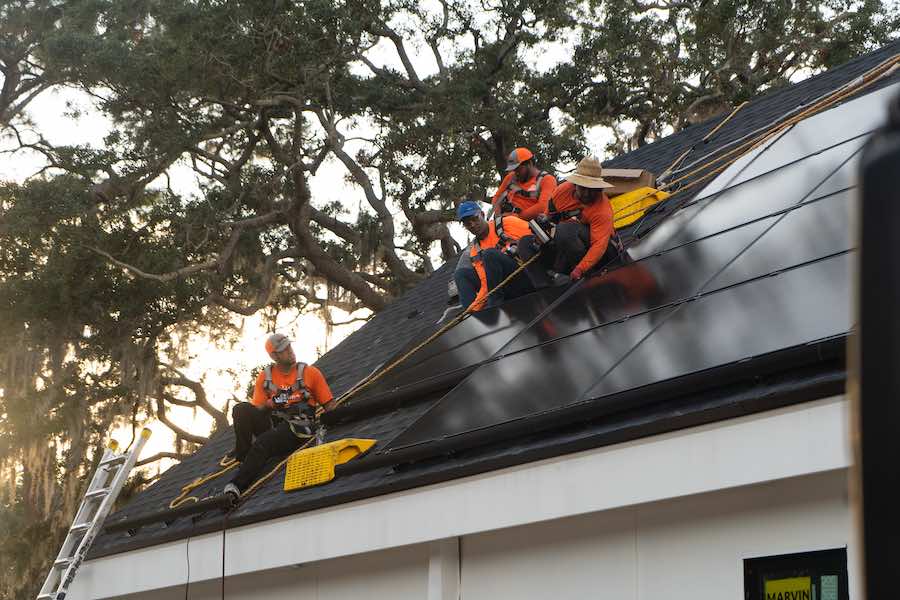
Going solar with SunVena Solar allows you to break this cycle.
- Escaping the Storm Tax: When TECO adds a hurricane surcharge, like the roughly $20 a month it charged from March 2025 through July 2026, solar owners don’t pay that fee on the energy they generate themselves.
- Predictability: Instead of wondering whether your bill will be $115 or $183 next year, a solar payment is fixed. You lock in your cost of power for decades.
- Asset vs. Expense: Renting power from TECO builds zero equity. Investing in solar turns that monthly expense into an asset that adds value to your home.
After TECO bills topped $180 in early 2026, the case for energy independence has never been stronger.